
Jacqui Smith was embroiled in another row over the Big Brother state last night after admitting that a baby had its DNA recorded on the national database.
The Home Secretary said the child was aged under one at the time its profile was taken by police and stored.
Liberal Democrat spokesman Chris Huhne said: 'It is illegal, immoral and ineffective to keep the DNA of a baby on a national police database as if they had committed some felony.'
The controversial database contains 4.5million samples, including more than 600,000 taken from innocent people. Normally, DNA is taken using a swab inside the mouth.
Changes to the law forced through by Labour have allowed the police to take samples as soon as a person is arrested, then keep it permanently even if they are later cleared of wrongdoing.
But, with the age of criminal responsibility set at ten in England and Wales, there are no circumstances in which this can have happened to a baby.
The most likely explanation is that Jacqui Smith was embroiled in another row over the Big Brother state last night after admitting that a baby had its DNA recorded on the national database.
The Home Secretary said the child was aged under one at the time its profile was taken by police and stored.
Liberal Democrat spokesman Chris Huhne said: 'It is illegal, immoral and ineffective to keep the DNA of a baby on a national police database as if they had committed some felony.'
The controversial database contains 4.5million samples, including more than 600,000 taken from innocent people. Normally, DNA is taken using a swab inside the mouth.
Changes to the law forced through by Labour have allowed the police to take samples as soon as a person is arrested, then keep it permanently even if they are later cleared of wrongdoing.
But, with the age of criminal responsibility set at ten in England and Wales, there are no circumstances in which this can have happened to a baby.
The most likely explanation is thatthe sample was taken from the baby at a crime scene at which they were present, such as the family home, in order to avoid any confusion. Mr Huhne said it should have been immediately destroyed.
Miss Smith, revealing that the sample had been stored, said: 'As at November 26, 2008, the youngest person with a profile on the NDNAD was aged under one and the oldest was over 90.'
In December last year, the European Court of Human Rights condemned the system as excessive and disproportionate, claiming it 'could not be regarded as necessary in a democratic society'.
Following the judgment, Miss Smith announced major changes to the way the database operates. She said the Government would take 'immediate steps' to remove the profiles of children under ten.
Mr Huhne said: 'The sooner she implements the European Court's ruling that our DNA database contravenes the right to privacy, the better.
'It is ludicrous to be randomly adding DNA samples from individuals who can represent no conceivable criminal threat. Since the DNA database began, nearly 1.1million children have had their DNA stored without their permission. Children have become the soft target of a random DNA policy.'
Miss Smith said it was her intention to treat innocent people with 'greater flexibility and fairness' while bringing more serious offenders within the scope of the system. continues here
Showing posts with label NDNAD. Show all posts
Showing posts with label NDNAD. Show all posts
RECORD NUMBER ADDED TO DNA DATABASE
07:57 by Editor · 0 Post a comment on AAWR
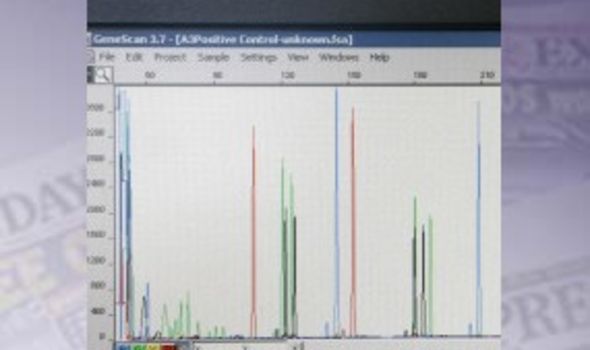 The number of people whose details were added to the DNA database rose to its highest level in a single year, new figures have revealed.
Samples taken placed on the National DNA Database went up by 1% in 2006-07 to 722,464, according to the annual report.
The National Policing Improvement Agency (NPIA), which published the report, said more than 4.4 million people's DNA was stored on the database, making it the largest in the world per head of population.
Taking into account replication factors, there were 3.8 million different individuals represented on the database up to the end of March 2007. Of those, 79.6% were from men, 41% from people aged 15-24 and 8% from children aged 14 and under, the report revealed.
The database has been the subject of criticism over its inclusion of DNA samples from children and those who were not convicted of any crime.
The Home Office said in August that the profiles of an estimated 39,095 10 to 17-year-olds who "had not been convicted, cautioned, received a final warning/reprimand and had no charge pending against them" were on the database.
Opposition parties said it was evidence the Government was building a national DNA database (NDNAD) by stealth and called for a parliamentary debate on the issue.
It followed calls from a Government-appointed advisory body for a more straightforward system for innocent people to have their samples removed from the database.
The Ethics Group said samples obtained during police investigations should be destroyed at the end of an inquiry rather than loaded on to the NDNAD. continues here

Subscribe to:
Posts (Atom)


Recent Posts


Order from Amazon...
Blogger Themes


